

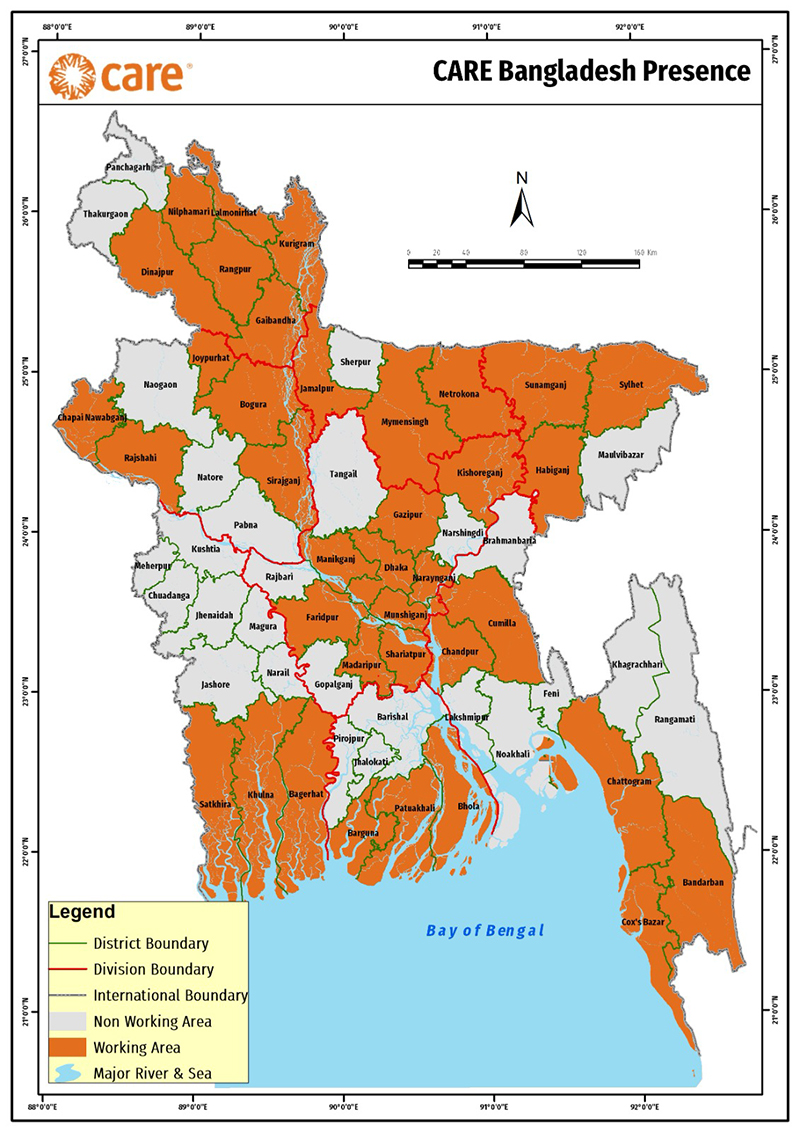

Adolescent girls in Rohingya refugee camps face several pressing needs and gaps that hinder their development and well-being. Education remains a major challenge, as less than 50% of girls have access to schools due to safety concerns, cultural restrictions, or economic pressures to support their families (UNICEF, 2022). To reduce the gaps, the project aimed to empower adolescent girls (ages 10–19) in the Rohingya refugee camps through targeted soft and hard skills development. The project emphasizes practical vocational skills such as handicrafts, tailoring, and agricultural cultivation to provide economic empowerment and reduce vulnerability to violence. In parallel, the Adolescents Life Skills Model is applied to enhance decision-making capabilities and raise awareness of rights. Overall, the project is enhancing the self-reliance and economic resilience of Rohingya refugees and host community participants through context-appropriate skill development and livelihood opportunities, while promoting social cohesion and psychosocial well-being.
1000 adolescent girls of 10-19 and 2000 community members, including women, girls, men, and boys who are 18 and older
Soft Skills: 1000 girls (10-19 age) participated in Menstrual Hygiene Management (MHM) sessions, 100 (10-19 age) girls received leadership, negotiation, and communication training, and 1000 (15-24 age) girls and their female caregivers received psychosocial support (PSS) skills training.
Hard skills/Non-Formal Technical Skill Training and self-employment support: In total, 125 Rohingya girls and young women (18 and above) reached out through non-formal technical training such as tailoring, jute handicraft, weaving-knitting, soap making, and bamboo carpentry.
On-farm/ integrated agricultural activities: 450 participants, including adolescents, girls led households from camp and host communities received homestead gardening/Chicken rearing/fish farming training, input support (cash/materials).
© Copyright 2026 CARE Bangladesh. Powered By Bangladesh Online


